How a Tinder Match Becomes a Trading Scam

The most dangerous "broker" you will ever meet does not run ads. It messages you first — and it usually begins with a friendly hello on a dating app.
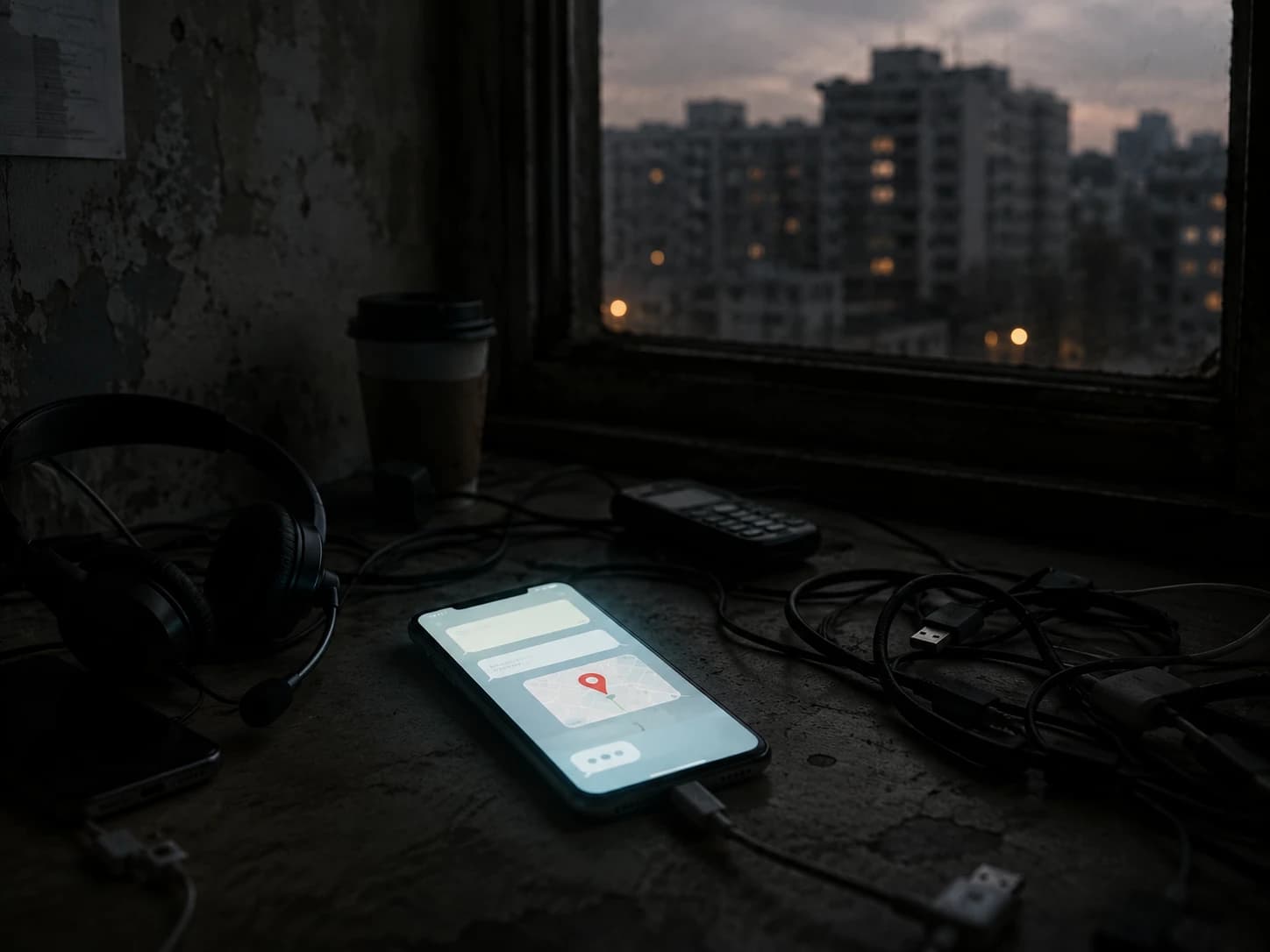
You match with someone attractive, thoughtful and apparently successful. The conversation moves fast: warm, attentive, a shade too perfect. Within days you are messaging every morning. Within weeks they mention, almost in passing, a trading platform that has been very good to them. They offer to show you how it works. They are patient and generous and never once pushy. And by the time you sense that something is wrong, both the money and the person have vanished.
This is not rare bad luck. It is an industrial-scale fraud with a clinical nickname — pig butchering — and it is now one of the costliest crimes online. According to the U.S. Federal Trade Commission, consumers reported losing 5.7 billion dollars to investment scams in 2024, more than to any other category of fraud. Romance scams alone accounted for a further 1.14 billion dollars across more than 64,000 reported victims, and a study by researchers at the University of Texas traced over 75 billion dollars flowing from victims into the crypto wallets behind these networks between 2020 and 2024. The real figures are almost certainly higher, because shame keeps most victims from ever filing a report.
Here is precisely how the dating app investment scam is built, why the fake platform always shows a profit, and the simple structural reason a properly regulated broker can never do this to you.
Why criminals call it "pig butchering"
The phrase is a translation of the Chinese shā zhū pán — to fatten the pig before the slaughter. The victim is the pig. The relationship, the small early "wins" and the constant encouragement are the feed. The slaughter is the moment the account is drained and the contact disappears. The language is cold on purpose, because to the criminal enterprises running these operations — many of them based in trafficking compounds across Southeast Asia — this is not a crime of passion. It is a business with scripts, targets and shift work.
How the scam works, step by step
The script is remarkably consistent, whichever app it starts on:
- The match. Contact is made on Tinder, Bumble, Hinge, a language-exchange app or even a "wrong number" text. The profile is polished and the photos are real — usually stolen from someone else, sometimes generated by AI.
- The trust build. For days or weeks the conversation is purely personal. No money is mentioned. The goal is a genuine emotional bond, often romantic, sometimes framed as a deep new friendship or mentorship.
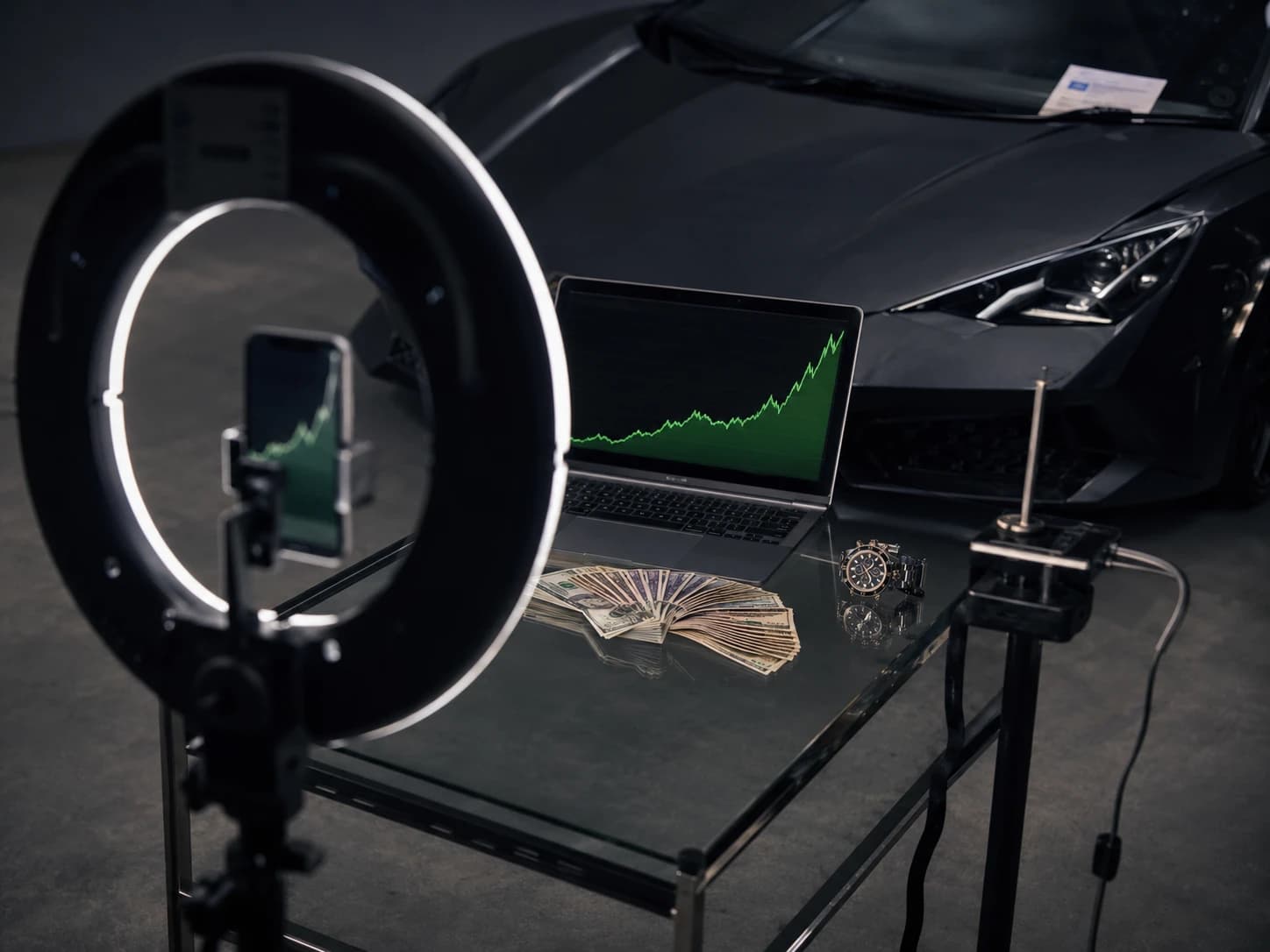
- The casual reveal. The investment surfaces naturally. They are not selling anything; they simply trade crypto or forex on the side and have done well. They might show screenshots of their own gains.
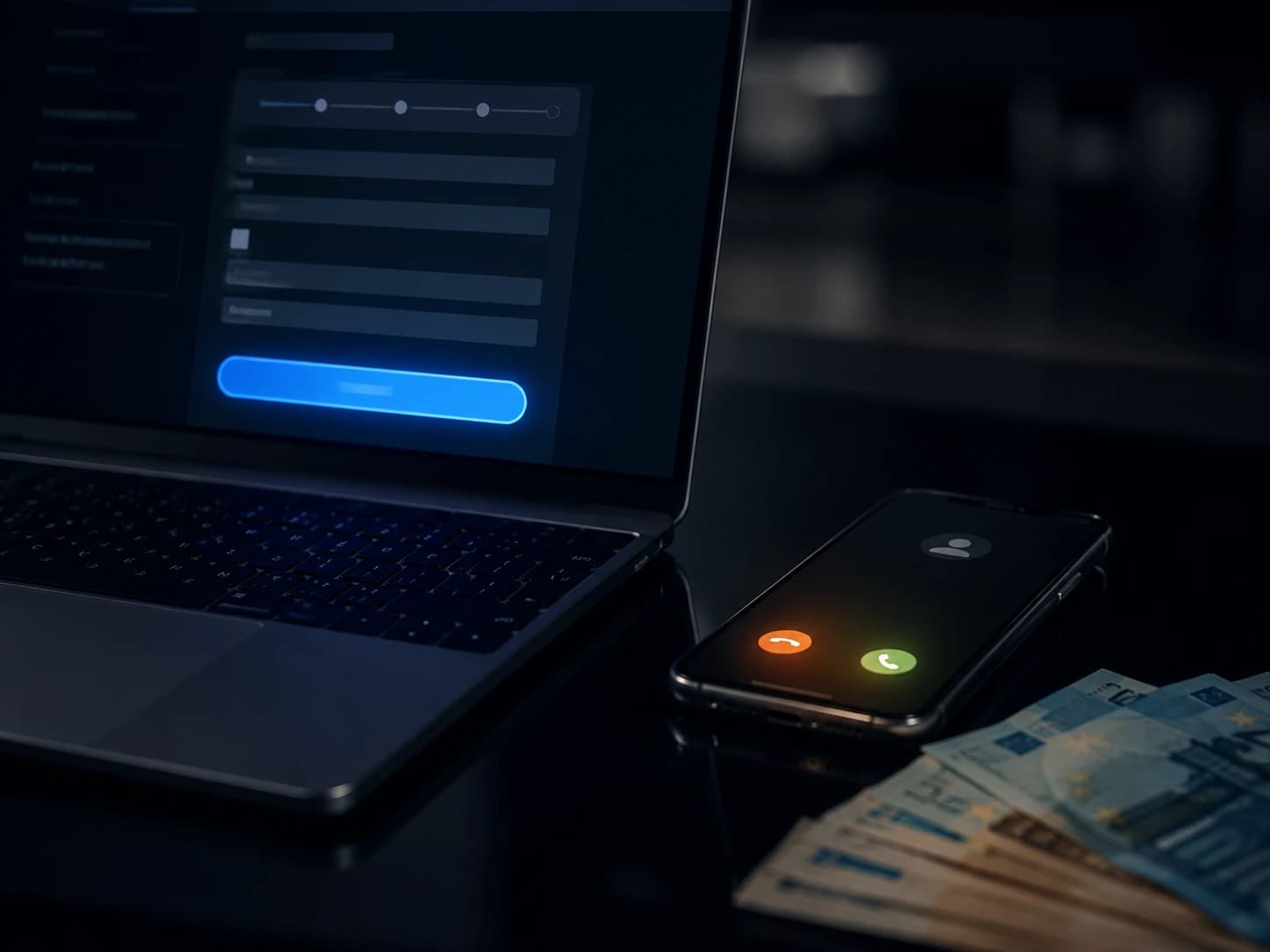
- The guided first deposit. They walk you onto a slick "platform" or app and help you make a small deposit — often just a few hundred euros, low enough to feel safe.
- The fake profit. Your balance climbs immediately. You are even allowed to withdraw a small sum early on, which destroys your remaining doubt.
- The escalation. Encouraged by your "partner" and a friendly account manager, you deposit more — savings, loans, sometimes a remortgage. The displayed balance soars.
- The wall. You try to withdraw the larger amount. Suddenly there is a tax to pay first, a verification fee, a release charge. The manager stops replying. The match goes silent. The money is gone.
If you want a wider reference for the warning signs that mark out a fraudulent broker, see our scam broker checklist.
The cover story: the "businesswoman" who is always about to visit
The persona is almost never random. The match presents as a successful, independent business professional — most often a polished, well-travelled woman approaching a man, or a confident self-made man approaching a woman. Crucially, the persona is not decoration. It is the mechanism. A successful entrepreneur who mentions her crypto positions or his CFD trades over breakfast is completely unremarkable, so when trading enters the conversation it feels like a natural part of who this person is, rather than a sales pitch. The business identity is what licenses the eventual investment talk.
Watch, too, for the meeting that is always just about to happen. The personas mirror your location. Tell a match you live in London and, within days, they will mention a business trip to London next month — where, finally, the two of you can meet. The promise of a real, in-person meeting is doing quiet, powerful work: it keeps you emotionally invested and explains away every reason the meeting never materialises. The trip is always genuine, always soon, always postponed at the last moment by a deal, a delay, a family emergency. You will meet the trading account long before you meet the person — and you will never meet the person.
The simplest rule of all: the moment a match on a dating app starts talking to you about trading — crypto, CFDs, a platform an uncle or a mentor "put them onto" — the conversation is effectively over. That is pig butchering. It makes no difference how real the relationship feels, or whether it is a woman describing her business empire or a man describing his. A genuine romantic interest does not arrive with an investment platform attached.
Why the dating app is the perfect hunting ground
Dating apps hand a scammer exactly what the scheme needs. They deliver a stream of people who are, by definition, open to connection and inclined to trust. They allow the conversation to move off-platform within minutes, into WhatsApp or Telegram where no app safety team is watching. And they normalise intimacy at speed, so that financial advice from a near-stranger arrives wrapped in the credibility of a relationship rather than a cold sales pitch.
The emotional layer is the whole point. A victim who would laugh off an unsolicited "guaranteed returns" email will quietly transfer their pension when the suggestion comes from someone they believe they are falling for. The fraud is financial, but the lever is loneliness.
The fake platform: where the real damage happens
This is the part most victims misunderstand even after the fact. The "broker" is not a risky or aggressive trading firm. In the overwhelming majority of these cases there is no trading at all.
There is no algorithm, no market position, no exchange behind the dashboard. The numbers you watch climbing are simply a figure the operator types into a database. Your "portfolio" is a screenshot with a login. The early withdrawal you were allowed to make was paid out of other victims' deposits — a small, deliberate loss that buys your confidence and unlocks far larger sums later.
Because the platform is entirely controlled by the criminals, it can show whatever it likes. It can manufacture a flawless run of winning trades, a balance doubling in a month, a confidence-inspiring loss here and there to look authentic. None of it is real, and none of your money is anywhere near a financial market. It was gone the day it left your bank.
Why a regulated broker can never do this to you
This is where the structural difference matters, and it is the single most useful thing to understand. A genuine, regulated broker operates inside a framework specifically designed to stop exactly this.
A firm licensed by a serious authority — the FCA in the United Kingdom, CySEC in Cyprus, BaFin in Germany, ASIC in Australia — is legally required to keep client money in segregated accounts, held separately from the company's own funds. It cannot quietly absorb your deposit, and it cannot invent your balance, because its books and its client-money handling are audited and supervised. If it becomes insolvent, compensation schemes such as the FSCS or the Investor Compensation Fund exist to protect eligible clients up to defined limits.
Just as importantly, a regulated broker's identity is verifiable. Its licence number appears on the regulator's public register, the company name on the register matches the name on the website, and that name matches the entity that receives your payment. The fraudulent platform fails every one of these checks: a licence number that belongs to a different firm, a regulator that has never heard of it, or a payment that routes to a personal crypto wallet rather than a corporate account.
A real broker also makes money in a boring, transparent way — from spreads and commissions on your trades — not from your deposit disappearing. The unglamorous truth is that legitimate trading is slow, uncertain and occasionally loss-making. Any platform that feels effortless and never seems to lose is telling you something important about itself.
If you want to start from a safe baseline, every broker we list is checked for exactly these safeguards. You can review and compare fully regulated, tier-1-licensed names such as Capital.com, CMC Markets, Pepperstone and XTB before you ever fund an account.
The red flags, in plain terms
You can spot almost every case of this scam early if you watch for the pattern rather than the person:
- A new online romance or friendship that moves to private messaging fast and soon mentions trading or crypto.
- An investment "opportunity" you did not seek, introduced by someone you have never met in person.
- A platform you were sent a link to, rather than one you found and vetted yourself.
- Returns that are steady, fast and far above anything a real market produces.
- Pressure to deposit more to "unlock" a level, a bonus or a withdrawal.
- Any fee, tax or charge demanded before you are allowed to take your own money out — a thing no legitimate broker ever does.
- A platform whose regulatory licence you cannot find, or cannot match to the exact company name on the site.
A single one of these is reason to stop. Two or more together is the scam, fully assembled.
What to do if you have already deposited
Act fast and feel no shame — these operations are run by professionals and have defrauded sophisticated, careful people. Stop sending money immediately, including any "fee" promised to release your funds, as that is simply a second theft. Preserve everything: screenshots, profiles, wallet addresses, transaction records and chat logs. Contact your bank or card provider at once, since rapid action occasionally allows a payment to be stopped or recalled. Report it to your national fraud authority and, if cryptocurrency was involved, to the platform you used to buy it. And tell someone you trust — isolation is the scammer's most effective tool, and breaking it is the first real step back.
Frequently asked questions
Is it really a scam if I can see profits in my account?
Yes. Visible profits are the core of the trick, not evidence against it. On a platform the criminals fully control, the balance is just a number on a screen. The test is not whether you can see gains, but whether you can actually withdraw them to your own bank — and you will not be able to.
Can I get my money back?
Sometimes, but rarely in full. Speed matters most: contacting your bank within hours of a transfer gives the best, though still slim, chance of a recall. Be extremely wary of "recovery" firms that contact you afterwards promising to retrieve your funds for an upfront fee — this is frequently a second scam targeting the same victims.
How do I check whether a broker is real before I deposit?
Find the broker's licence number, look it up directly on the regulator's official public register, and confirm that the company name there matches the website and the entity receiving your payment. If you cannot complete that chain in a few minutes, treat the platform as fraudulent.
BrokersRoom reviews and compares regulated, licensed brokers so you can avoid exactly the kind of platform described above. If someone you met online has introduced you to a "trading opportunity," the safest next step is no deposit at all — and a quick check against the regulator's register. Start with our broker comparison or browse the full broker list.